
Rising Bills and a Faster Way Forward.
What happens when your electric bill keeps going up, but your usage hasn’t? That’s the question facing a North Philadelphia resident who watched her energy costs steadily increase. She isn’t alone in asking why. As data centers built across the region draw more power from the grid, households are starting to feel the cost of growth they didn’t sign up for.
The Bills Keep Going Up
AI Data centers continue to be developed at a rapid pace and are causing households to compete for the supply of electricity. This demand is resulting in a spike in consumer utility bills.
Alvina McMillion shares her struggle of affording rising costs while living as a single working parent.
Income-based assistance programs help some families offset these costs, but Alvina doesn’t qualify.
“I am middle income, so again, I don’t qualify for a lot of programs that are available,” she says.
Forced to cut costs in other ways, Alvina and families just like her are feeling the stress of keeping the lights on.
Who Should Foot the Bill?
Data center development has sparked debate across the region. In some communities, proposed projects have met local opposition and raised questions about where to build these facilities and who should pay for the grid upgrades they require.
“Why do I have to take the burden of this cost?” Alvina asks.
It’s a question many residents share as the energy industry weighs options for meeting new demand.
The Fastest Path to New Power
If rising demand is driving up costs, the solution is adding new power supply quickly and affordably. Clean energy stands out on both counts:
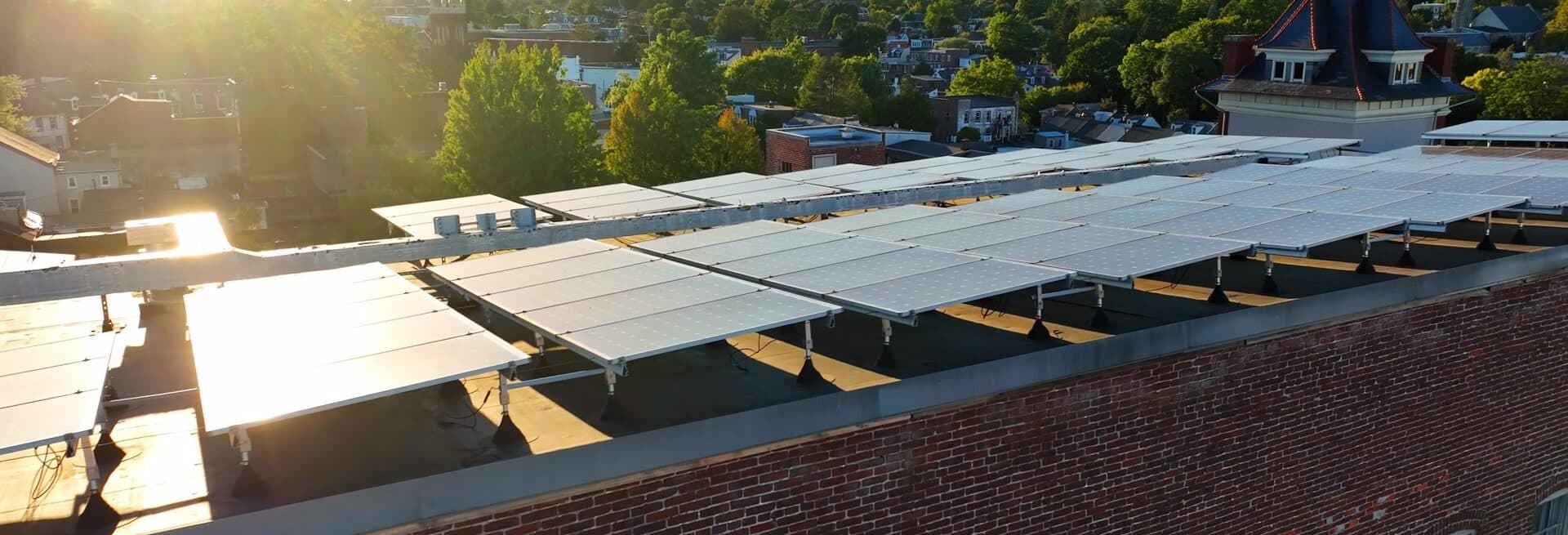
- Speed: Solar, wind, and battery projects can often be built faster than new gas plants, facing manufacturing backlogs.
- Cost: Solar and wind are the lowest-cost sources of electricity
- Stability: No fuel costs means less exposure to the price spikes that hit household bills when gas prices jump.
- Storage: Batteries help cover peak demand while the grid is most strained and electricity is most expensive.
What’s Standing in the Way
Clean energy can’t lower bills until it can connect to the grid. Large clean energy projects are waiting in line to connect. It is not just waiting in line for PJM, the regional grid operator for Pennsylvania, that presents a roadblock.
Even after approval, permitting and local opposition can slow construction. Clean energy is quick to build once it is approved, and removing barriers at every stage is how that speed reaches people’s bills.
Paying for Growth
One proposed approach is for data centers to bring their own clean power and cover their own grid costs, rather than competing with households over the current supply.
Provide households with options such as community solar and efficiency programs that are not income-restricted, so families like Alvina’s can take advantage of these resources without exceeding their budget.
Building for The Future
The demand isn’t going away, and higher bills aren’t inevitable. The choices being made now about who pays and how new power gets built will decide whether families feel relief or more strain.
Has your electric bill gone up? Share your story. Hearing from the people who pay the bills gives families a voice in how we power what comes next, and in finding cleaner, more affordable ways to meet growing demand.


Join the Conversation