
Some investments do more than fund projects. They give communities a chance to grow and transform their future.
That’s the opportunity Tree Pittsburgh saw after receiving $8 million in funding aimed at expanding urban forestry efforts across Allegheny County.
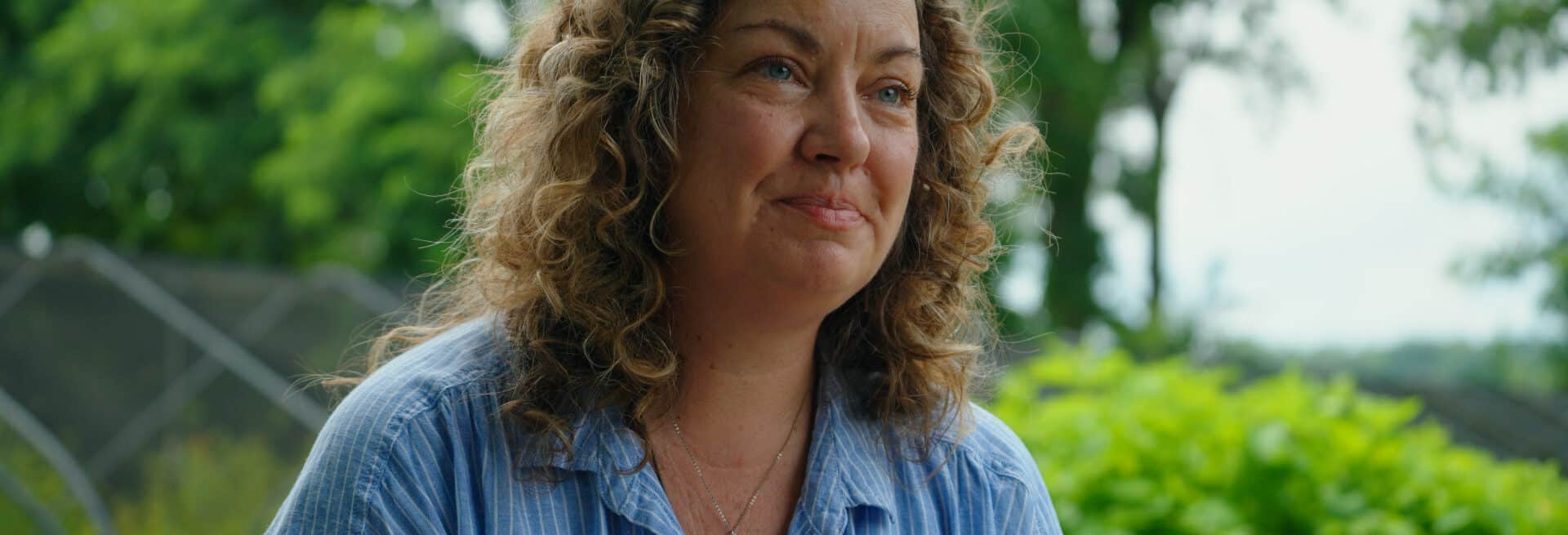
For those who have dedicated their time to Tree Pittsburgh, like Executive Director Danielle Cumrine, the impact goes far beyond simply planting more trees. It’s about reaching neighborhoods that historically haven’t had access to these kinds of environmental investments and creating healthier, more connected communities in the process.
The funding allows Tree Pittsburgh and its partners to expand their work into new areas where resources have often been limited. Residents can expect to see new trees planted throughout their neighborhoods — adding beauty, shade, and greener public spaces that improve daily life in immediate and visible ways.
Cumrine shares the opportunities provided by the funding, “It creates a bridge for us to help us transition from the past to the sustainable, prosperous, vital future.”
Beyond their appearance, trees help reduce energy costs by cooling homes during warmer months. They intercept stormwater before it overwhelms infrastructure systems. They improve air quality and can even positively influence surrounding property values.
Crumrine explains the benefits, “The really cool thing about trees is that you can quantify the impact. You can actually calculate the energy savings that a tree provides. You can calculate how much rainwater that a tree intercepts. You could even calculate the air quality benefits that a tree provides.”
The Tree Pittsburgh team continued thinking outside the box and saw an opportunity to transform vacant lots into community gardens and vibrant green spaces that reconnect residents with their neighborhoods.
“We’re going to work our hardest to show the impact of this funding and to grow momentum across Allegheny County.”
This funding put the wheels in motion, building momentum toward a future where investments in green infrastructure, environmental equity, and neighborhood revitalization become the standard.
Because when communities are given the resources to grow, the impact reaches far beyond the trees themselves.


Join the Conversation